
It begins with a single color washing over the streets. On Tuesday, March 17, 2026, cities from Dublin to New York will transform into seas of emerald green. Parades will fill the avenues with the sound of fiddles and bagpipes, families will gather for hearty meals, and the Shamrock will be proudly displayed on lapels worldwide.
St. Patrick’s Day is one of the most widely celebrated cultural holidays on the planet. While its roots are deeply planted in Irish soil, the day has grown into a global phenomenon embraced by people of all backgrounds. Whether you have Irish ancestors or simply appreciate the spirit of community and resilience the day represents, March 17 is a moment to pause and celebrate heritage.
What is St. Patrick’s Day?
St. Patrick’s Day, or Lá Fhéile Pádraig in Irish, commemorates Ireland’s patron saint. St. Patrick is credited with bringing Christianity to the island in the 5th century, a pivotal moment in Irish history.
Originally, the day was observed as a solemn religious feast. Families would attend church in the morning and celebrate with a meal in the afternoon. However, over the centuries—and particularly through the influence of Irish immigrants abroad—it evolved. Today, it stands as a vibrant celebration of Irish culture, identity, and history. It is a day defined by music, dance, parades, and a strong sense of community that transcends borders.
When is St. Patrick’s Day 2026?
St. Patrick’s Day is observed on the same date every year. In 2026, the holiday falls on Tuesday, March 17.
In Ireland, this date is a public holiday. Schools, banks, and many businesses close their doors so that everyone can participate in the festivities. For those outside of Ireland, the celebrations often extend to the nearest weekend, ensuring that work schedules don’t dampen the spirit of the occasion.
The History Behind the Holiday
The man behind the holiday, St. Patrick, was a 5th-century missionary whose life is shrouded in both history and legend. He was not born in Ireland but was brought there as a slave. After escaping, he eventually returned to the island to spread Christianity. His life became foundational to the Irish Christian tradition.
The shift from a religious observance to a cultural festival is largely a story of the Irish diaspora. As Irish people emigrated to countries like the United States, Canada, and Australia—often escaping hardship and famine—they used St. Patrick’s Day to publicly celebrate their heritage. It became a way to assert their identity and maintain a connection to home while building new communities abroad.
Key Traditions and Symbols
If you walk through any major city on March 17, you will likely see specific symbols and traditions on display.
Wearing Green and Shamrocks
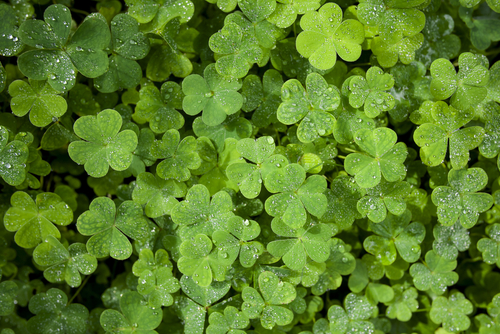
The most visible tradition is the wearing of green. This color is synonymous with the “Emerald Isle.” You will also see the shamrock everywhere. Legend says St. Patrick used the three-leaf plant to explain the concept of the Holy Trinity to the Irish people. Today, pinning a shamrock to your coat or hat is a simple way to honor that history.
Parades and Music
Parades are the heartbeat of the modern celebration. This tradition actually took hold in North America before it became a major event in Ireland. The New York City St. Patrick’s Day Parade dates back to 1762, making it older than the United States itself. Today, these processions feature marching bands, cultural organizations, and community groups.
Music is also essential. Traditional Irish sessions, featuring instruments like the fiddle, bodhrán (drum), and uilleann pipes, fill pubs and community centers. It provides the soundtrack to the day’s events.
The “Greening” of the World
A more modern tradition is the “greening” of famous landmarks. From the Colosseum in Rome to the Sydney Opera House and the Chicago River, iconic sites are illuminated in green light to mark the occasion. It is a powerful visual reminder of the global reach of Irish culture.
How Ireland Celebrates Today
In 2026, the festivities in Ireland will be as lively as ever. Dublin, the capital city, hosts a multi-day festival featuring a massive parade that winds through the historic city center. It draws hundreds of thousands of visitors from around the world.
But the celebration isn’t limited to Dublin. Smaller cities and towns like Galway, Cork, and Limerick host their own parades. These local events often feel more intimate, focusing deeply on community spirit and local talent. The Irish government also uses this period to promote Irish culture globally, sending ministers abroad to connect with the diaspora and strengthen international ties.
A Global Celebration
The Irish diaspora is vast, estimated at over 70 million people worldwide. This explains why St. Patrick’s Day is celebrated with such enthusiasm in places far from Ireland.
In the United States, cities like Boston, Chicago, and Savannah hold massive celebrations. In Australia and the UK, distinct Irish communities host festivals and concerts. Even in countries without deep historical Irish roots, you can often find Irish pubs hosting themed events. It is a testament to the welcoming nature of the holiday—everyone is invited to be “Irish for a day.”
How to Celebrate in 2026
Whether you are in Dublin or thousands of miles away, there are many ways to join the festivities on Tuesday, March 17, 2026.
- Attend a Parade: Check your local listings. Many cities hold their parades on the weekend before or after the 17th if it falls on a workday.
- Wear Green: It is the easiest way to participate. A green scarf, shirt, or hat shows you are part of the celebration.
- Explore the Cuisine: Try making a traditional dish like soda bread, colcannon (mashed potatoes with kale or cabbage), or a hearty stew.
- Listen to the Music: Stream a playlist of traditional Irish folk music or contemporary Irish artists to set the mood.
- Learn the History: Take a moment to read about St. Patrick or the history of Irish migration. Understanding the resilience behind the celebration adds depth to the joy.
Why It Still Matters
St. Patrick’s Day 2026 is about more than just a date on the calendar. It is a celebration of heritage, resilience, and the power of community. For the global Irish diaspora, it is a vital link to ancestral roots. For others, it is a chance to learn about a rich culture that has influenced the world.
At its core, this day brings people together. It reminds us of the importance of belonging and the joy of shared traditions.
Frequently Asked Questions
Is St. Patrick’s Day a federal holiday in the United States?
No, St. Patrick’s Day is not a federal holiday in the United States. Schools, banks, and government offices generally remain open. However, some areas with large Irish populations may have local observances or parade-related closures.
Why is St. Patrick associated with snakes?
Legend says St. Patrick banished all snakes from Ireland. However, scientists believe Ireland never actually had snakes due to its climate and geography. The story is often interpreted symbolically, representing Patrick driving pagan practices out of the country.
Do people really drink green beer in Ireland?
Green beer is largely an American invention and is not a traditional Irish custom. In Ireland, you are more likely to see people enjoying a pint of stout or whiskey without any added food coloring.
What is the difference between a shamrock and a four-leaf clover?
A shamrock has three leaves and is the specific symbol associated with St. Patrick. A four-leaf clover is a symbol of luck but is not the religious symbol used by the saint.
Mark Your Calendar
As Tuesday, March 17, 2026 approaches, consider how you might want to celebrate. Whether you join a crowd cheering at a parade or simply share a meal with friends, you are participating in a tradition that spans centuries and continents. It is a day to wear green with pride and celebrate the enduring spirit of the Irish.